Guides
Landing page vs website: which one does your business need?
Short answer
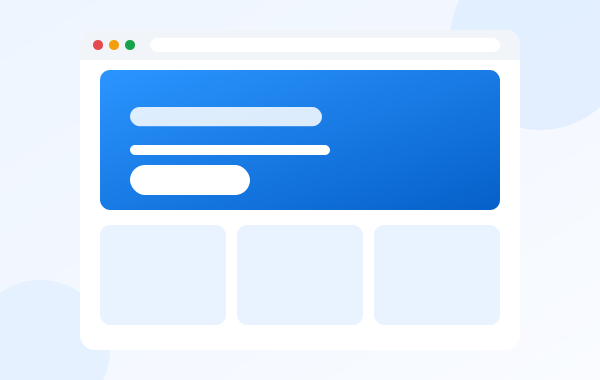
A landing page is a single page with one goal, such as getting people who click an ad to contact you or buy one offer. A website is the full home of your business online, with several pages that explain everything you do and help people find you on Google. If you are launching one offer or running ads, start with a landing page. If you sell several services or want to be found in search, you need a website. Many businesses end up using both.
Key points
- A landing page talks about one offer and asks for one action.
- A website explains the whole business and gives each service its own page.
- Paid ads and launches usually work better when they point to a landing page.
- Being found on Google and looking established depend mostly on a full website.
- A sales funnel goes a step further: sales page, online payment and follow-up emails.
What a landing page is
A landing page is the page someone reaches after clicking an ad, a link in a post, a QR code on a flyer or a button in an email. It exists for one reason. It presents a single offer and asks the visitor to do one thing: send a message, fill in a form, book a time or buy.
Because it has one job, a good landing page removes distractions. There is usually no full menu, no links to unrelated pages and no long story about the company. The headline repeats the promise of the ad, the body answers the usual doubts, and the same call to action appears more than once so the visitor never has to hunt for it.
That focus is its strength and its limit. A landing page is great at turning a click into a contact. It is poor at explaining ten different services or at showing up in search for many different questions.
What a business website is
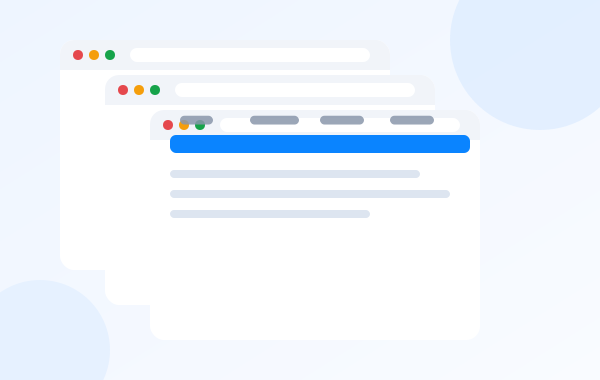
A website is the permanent address of your business on the internet. It has several pages, typically home, services, about and contact, and often one page per service, a page with your location, and sometimes a blog.
Its goal is broader. It has to answer whoever arrives, whether they came from Google, from a friend's recommendation or from your business card. Some visitors are ready to buy, others are comparing options and others only want your opening hours. A website gives each of them a path to the page that answers their question.
A website also carries most of the weight in search. Each page can target a different topic, so a dental clinic can rank for cleanings, implants and orthodontics separately, something one landing page cannot do well.
Landing page vs website, side by side
| Aspect | Landing page | Website |
|---|---|---|
| Goal | One action on one offer | Present the whole business |
| Pages | One | Several, one topic per page |
| Navigation | Minimal or none | Full menu |
| Main traffic | Ads, posts, emails, QR codes | Google, referrals, direct visits |
| Best for | Launches, promotions, campaigns | Businesses with several services |
| Search visibility | Limited to one topic | Many topics, one per page |
| Lifespan | Often tied to a campaign | Permanent, updated over time |
When a landing page is enough
A landing page is the right first step when your message fits on one screen and most of your visitors will come from links you control.
- You are launching one product or service and want to test interest quickly.
- You run ads on search engines or social networks and need each click to land on the offer it promised.
- You have a seasonal promotion, like a gym in Lisbon with a January membership or a restaurant in Mexico City with a holiday menu.
- You sell one main thing, such as a course, a consultation or an event.
- You need a page for a QR code on packaging, a flyer or a trade fair booth.
When you need a full website
A website is the better choice when people need to understand several things about you before they decide, or when they will look for you on Google rather than through your ads.
- You offer several services, like a plumbing company in Texas or a law firm in Madrid with different areas of practice.
- Customers search for you by name or by service and expect to find a real site.
- You need to show trust: who you are, where you are, your team, your work and how you operate.
- You serve more than one city or country and want pages in more than one language.
- You want every inquiry from the site to reach one place where your team follows up.
How to decide, and where a sales funnel fits
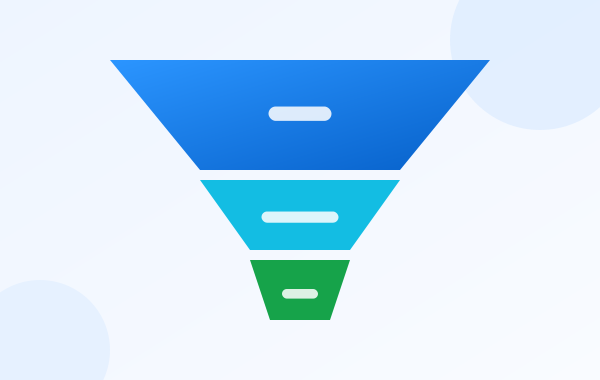
A sales funnel is a series of pages and emails that guides the visitor all the way to the purchase. It suits courses, digital products and services sold with ads. If your landing page brings contacts but you want sales closed online, the funnel is the next step.
- Look at where your visitors come fromIf most arrive from ads or links you share, a landing page will convert them better. If most search on Google, you need a website.
- Count your offersOne offer fits a landing page. Several services each deserve their own page inside a website.
- Think about what happens after the clickIf you want people to pay on the spot and get automatic follow-up, you are describing a sales funnel, not just a page.
- Plan for both if you advertise and want to be foundA common setup is a website as the base and a landing page for each campaign, both sending contacts to the same inbox.
Frequently asked questions
Can a landing page help me show up on Google?
It can rank for the one topic it covers, as long as it is fast, readable on mobile and has a proper title and description. It will not cover the many searches a business gets about different services. For that you need a website with one page per topic.
Should my ads go to my homepage or to a landing page?
Usually to a landing page. A homepage speaks to everyone and offers many paths, so the person who clicked an ad for one offer can get lost. A landing page repeats the promise of the ad and shows one clear next step.
Can I start with a landing page and add a website later?
Yes, and it is a sensible order when you are testing an idea or need to start selling fast. Keep the same domain and the same branding, so the landing page can become one page of the full site later.
What is the difference between a landing page and a sales funnel?
A landing page is one page that gets the visitor to contact you or buy. A sales funnel is a path of several steps: a sales page with online payment, an extra offer at checkout, an alternative offer and automatic follow-up emails.
Which of these does Autorys build?
All three. A single-section landing page with hosting included in the monthly fee, a business website of 5 to 7 pages with basic SEO, and a sales funnel with online payment and follow-up emails. Karla tells you which fits and quotes you right away.